

The Mystery of the Dead Electrical Outlet in Charlotte, NC
The weather in Charlotte, NC, is lovely most of the year, but when you rely on your home systems, you expect them to work. Imagine this frustrating situation: a whole section of your kitchen or living room goes dark. You walk to the main breaker panel and check the circuit breaker panel, but the little handle is not moved to the OFF position. It looks perfectly fine. This is a common, confusing problem for many Charlotte homeowners, and it always feels like a true mystery. How can an electric outlet not work if the protective circuit breaker is still ON? This situation is more frequent than many people realize. It is important to know that a tripped breaker is only one of many reasons why you may suddenly lose power to an electrical outlet.
Table of Contents
What is the most common reason an electrical outlet stops working when the main breaker is still on?
The electrical outlet failure is most often caused by three main things. The issue is most often a tripped GFCI (Ground Fault Circuit Interrupter) electric outlet located somewhere else on the same circuit. Other frequent causes include a simple loose wire connection inside one of the junction boxes, or an internal failure of the receptacle device itself. You should know that checking and confirming your electrical safety and proper electrical outlet wiring is critical, especially when dealing with the mix of older homes and newer construction found across Mecklenburg County. When problems arise, you can always trust the electrical experts at Tried & True Electrical Services Inc. to provide a clear diagnosis.
The GFCI Connection: The Hidden Circuit Breaker
The most common mistake homeowners make is only looking at the main circuit breaker panel when power goes out. Many circuits in your home have a hidden protection device that acts like a second, mini circuit breaker. This hidden protection device is the GFCI electrical outlet. These devices protect people from serious shock by monitoring electricity flow and tripping very fast when they sense an imbalance. This section addresses this primary cause of power loss mystery.
How Does a Tripped GFCI Outlet Cause Other Electrical Outlets to Fail?
GFCI devices use a ‘daisy chain’ protection system. It means that one single GFCI electric outlet is often installed first on a circuit, and the wiring then runs from that GFCI device to several standard electrical outlet devices nearby. When the GFCI device senses a problem, it trips, cutting power to itself and to all the other standard receptacles that are connected downstream—even if the panel breaker for the entire circuit remains ON in the main breaker panel. This creates the mysterious power outage you are experiencing. This is why you must check every bathroom, kitchen countertop, garage, basement, and all outdoor outlets common in Charlotte homes. Many homeowners forget about that one outdoor outlet that is connected to the kitchen GFCI. You need to properly reset the GFCI to restore power. First, unplug everything from the dead circuit. Then, press the TEST button on the GFCI, and then press the RESET button firmly. If the RESET button clicks and stays in, the power should be back on to all the dead electrical outlet devices. If it trips again right away, you know you have a problem with the wiring or a connected device that needs attention. You can find out more about what we do for lighting and electrical outlet installation if you look into services offered by Tried & True Electrical Services Inc.
Internal Wiring and Device Failures
If you have successfully checked all GFCI outlets and the power remains out, the problem is most likely a failure within the electrical outlet device itself or a wiring problem. This sort of issue does not usually draw enough excess current to flip the main circuit breaker but instead just creates a break in the circuit, stopping the flow of power.
Why Do Loose Wires or a Bad Outlet Device Result in a Sudden Power Loss?
An electric outlet receptacle is a mechanical device, and it does have a lifespan. Inside the receptacle, there are brass springs and contacts that hold the prongs of your plugs. Over many years of plugging and unplugging, these springs can lose tension or internal contacts can wear out or corrode, causing an internal break. The outlet device fails without tripping the main circuit breaker.
Another common issue is poor Wire Integrity. In the rush of initial construction, some electricians use ‘back-stabbed’ connections where the wires are simply pushed into small holes on the back of the receptacle instead of being wrapped around the screw terminals. These back-stabbed connections are poor quality and a common cause of failure. Over time, due to heating and cooling, or house settling, these loose connections can vibrate loose or overheat. If the loose connection is on the ‘hot’ wire, it leads to a break in the power flow. The outlet and all subsequent outlets on the circuit will stop working. It is like a small domino effect that needs immediate attention.
Another place a problem can hide is at Splice Points. Power loss can result from a loose wire nut connection that is hidden inside a junction box, maybe behind a wall panel or even in the box for a light fixture on the same circuit. These failures often feel mysterious because the problem is not visible at the outlet itself. The experience of Tried & True Electrical Services Inc. is a big help here.
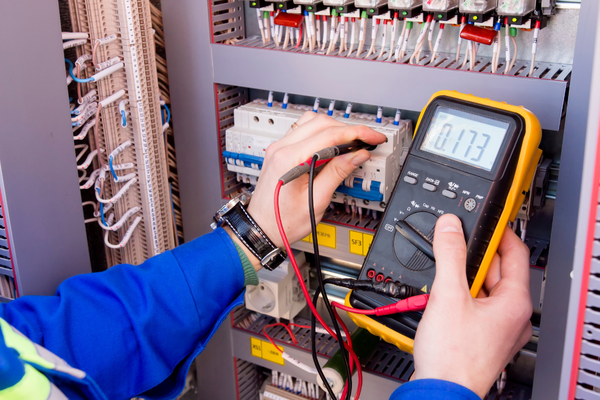
The Breaker Panel and Circuit Issues
While the GFCI is the main suspect, sometimes the problem does circle back to the circuit breaker panel itself. This is where the diagnostic steps become more critical and require a higher level of caution.
Can a Circuit Breaker Be ‘On’ But Still Defective or Only Partially Working?
Yes, a circuit breaker can seem ON but still be tripped internally. This is often called a ‘weak’ or worn-out panel breaker. When an electrical fault occurs, the internal mechanism trips, but the plastic handle does not move fully to the OFF position. This creates a ‘false positive’ where the handle looks ON, but the power is actually cut.
The right way to test this situation is to perform a proper How to Test procedure. You need to reset the seemingly ‘on’ circuit breaker. It is very important to first flip the handle firmly and completely to the full OFF position. You should hear a clear click. Then, push it back firmly to the full ON position. Do not just jiggle the handle; it requires a definite OFF-ON movement. If this does not restore power, the breaker itself may be faulty and requires a circuit breaker replacement. This repair should only be done by a skilled, qualified electrician who knows how to work safely inside the main breaker panel.
A more complex scenario that can cause power loss without a visible trip is a shared neutral wire issue in certain Multi-Wire Branch Circuits (MWBCs). These circuits use one neutral wire for two separate hot wires. If the neutral connection comes loose, it can create a dangerous voltage imbalance that causes power loss in one leg of the circuit and requires immediate professional attention to avoid damage to appliances. The good news is the electricians at Tried & True Electrical Services Inc. are highly trained in handling these specific circuit overload and wiring complications. If you have any commercial electrical issues, we can help you with those too.
Safety and Professional Advice
While checking the GFCI and resetting a visible circuit breaker is safe for a homeowner to do, going beyond these simple steps can be dangerous. It is important to know when to stop troubleshooting and call for professional help. We always say your safety is more important than your time.
When Should Charlotte Homeowners Immediately Call a Professional Electrician for Dead Outlets?
It is time to call for help when you notice Danger Signs like a faint burning smell coming from an electric outlet box or wall, hearing any kind of unusual buzzing or sizzling sounds from the wall or breaker panel, or feeling that a wall plate or panel breaker is hot to the touch. These signs suggest an active, dangerous fault that could quickly lead to fire or serious harm.
If you have performed Failed Troubleshooting—meaning you have located and reset all GFCI outlets, reset the main circuit breaker, and the power is still OFF—the problem is definitely behind the walls or inside the main breaker panel. This means it is time for a professional electrician.
Local Compliance is another critical reason to call for help. Extensive troubleshooting and repair, especially in the case of old or aluminum wiring found in some Mecklenburg County neighborhoods, requires licensed expertise for safety and compliance with local electrical code. A minor mistake on your part could result in a much larger, more expensive problem later. The professional team at Tried & True Electrical Services Inc. is familiar with all Charlotte-area electrical codes and permit requirements for circuit breaker replacement and electrical outlet installation. Our team ensures your home’s electrical system remains safe and fully up to code.
Conclusion
The mystery of the dead electric outlet with the ON circuit breaker can be confusing, but the problem is usually one of three categories: a tripped GFCI, a loose wire or failed electrical outlet, or a weak breaker that did not fully trip. By checking for a tripped GFCI first, you solve the problem most of the time.But when simple troubleshooting does not work, it is important to remember that electrical work is not a good place for risky DIY. There is a simple answer: call an expert. For reliable and safe electric outlet repair and complete electrical diagnostics in Charlotte, NC, you should speak with an electrical expert now. The licensed electricians at Tried & True Electrical Services Inc. are always ready to safely restore power to your home.