
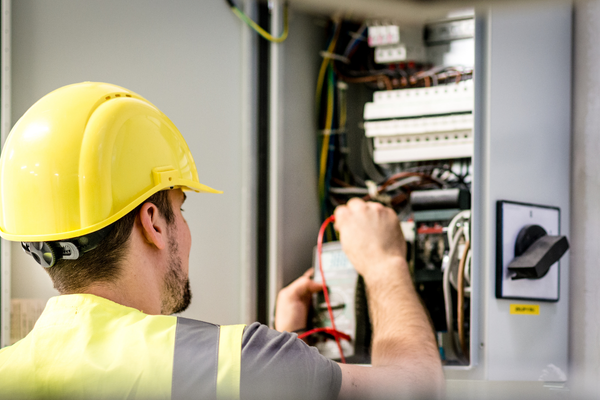
Closing day is finally here. The excitement is palpable as you pull up to the driveway. Maybe it is a gleaming new build in the South End with modern lines and fresh sod. Or perhaps it is a charming, renovated bungalow in Dilworth that has just been flipped to perfection. The keys are almost in your hand. But before the furniture arrives and the boxes get unpacked, there is one critical step left: the final walkthrough.
Most buyers walk through with a roll of blue tape in hand. They look for scuffs on the baseboards. They check for paint drips on the hardwood. They look for scratches in the window glass. These cosmetic details matter, certainly. But they are not the things that keep a family safe at night. The most critical systems in a house are often the ones we cannot see. Hidden behind the drywall and tucked into the attic is the new home electrical wiring that powers our lives.
Electrical hazards are invisible until they become a problem. A loose wire doesn’t look like much until it sparks. An overloaded circuit seems fine until the breaker trips during a holiday dinner. You do not need to be a licensed electrician to spot red flags. You just need to know where to look. This 15-point checklist ensures your new Charlotte home is safe, functional, and up to code before you sign the final paperwork. It empowers you to ask the right questions and demand the quality you paid for.
Table of Contents
What Should Be on Your Electrical Walkthrough Checklist?
When you arrive for the walkthrough, bring two things: a phone charger and a strong flashlight. It is time to play detective. The goal is to verify that the residential electrical wiring is not just present, but safe and fully operational.
Here are the 15 essential electrical items every Charlotte homeowner must check during their final walkthrough:
- Panel Labeling: Is every breaker clearly and accurately marked? You need to know which switch controls the kitchen and which one controls the master bath.
- Panel Access: Is the breaker box easily accessible? It should not be blocked by shelving, weird framing, or positioned too high to reach.
- Kitchen GFCIs: Do the outlets near the sink trip and reset correctly? Press the “Test” button and see if the power cuts.
- Island Outlets: Are there outlets installed on the kitchen island? This is a common missed item in renovations, yet code requires it.
- Appliance Circuits: Do the fridge, microwave, and dishwasher have dedicated power? They should not dim the lights when they turn on.
- Bathroom GFCIs: Check for power and reset function near all vanities. Water and electricity do not mix, so protection here is non-negotiable.
- Exhaust Fans: Turn them on. Listen for rattling or excessive noise in bathrooms. Proper ventilation is key in humid NC summers to prevent mold.
- Smoke Detectors: Verify they are hardwired. Look for a solid green light indicating they are running on house power, not just a battery.
- CO Detectors: These are essential for homes with gas heat or attached garages. Make sure they are present and active.
- Switch Functionality: Test all 3-way switches, especially at the top and bottom of stairs. Flipping one should not disable the other.
- Outlet Tension: Plug in your charger. Does it stay firm, or does it fall out? Loose outlets are a common issue in “flips” where old devices are reused.
- Ceiling Fan Support: Turn the fans on high. Do fixtures wobble or shake? They need to be mounted to a fan-rated box, not a standard light box.
- Exterior Outlets: Are weather-resistant covers intact? The “bubble” covers should snap shut tightly to keep rain out.
- Outdoor Lighting: Do motion sensors and porch lights work? Security lighting is a big part of feeling safe in a new neighborhood.
- HVAC Disconnect: Is the service disconnect near your outdoor AC unit accessible and secure? Landscapers often knock these loose.
Checking the Heart of the Home The Electrical Panel
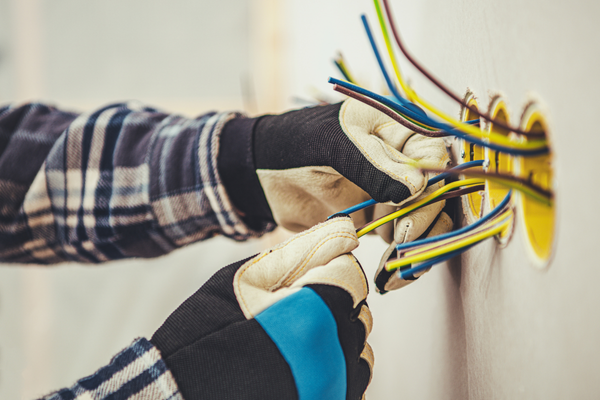
The breaker box is the brain of your home’s electrical system. It is where power enters from the street and gets distributed to every room. Inspection of the new home electrical panel is perhaps the most important part of your tour.
The Labeling Test
Open the metal door. Look at the schedule stuck to the inside. Does it just say “Plugs” or “Lights” ten times in a row? That is not specific enough. In an emergency, you need to know exactly which breaker cuts power to the dishwasher or the guest bedroom. Vague labeling is a sign of lazy workmanship. A professional electrician takes the time to map out the home correctly.
Neatness Counts
Take a look at the wires coming into the box. Are they neat and organized at 90-degree angles? Or does it look like a bowl of spaghetti? While you might not know code specifics, messy work in the panel often indicates rushed, unpermitted work elsewhere in the house. In a “flipped” home, a tangled panel is a major red flag. It suggests the investor might have cut corners on the electrical cost for new home construction or renovation to save money, potentially compromising safety.
If the panel looks ancient or the labels are written in faded pencil from 1985, you might need an upgrade. Tried & True Electrical Services Inc. specializes in modernizing these systems to handle today’s electronics. A clean, modern panel is the foundation of a safe home.
Why Are GFCI Outlets Critical in Charlotte Kitchens & Baths?
Ground Fault Circuit Interrupters (GFCIs) are those outlets with the little buttons in the middle. They are designed to save lives. They monitor the flow of electricity and cut the power in milliseconds if they detect a leak—like if a hair dryer falls into a sink.
The “Button Test”
Do not just assume they work because the light is on. Plug in your phone charger. It should start charging. Then, press the “Test” button. The charger should stop immediately, and the “Reset” button should pop out. If the charger keeps charging, the GFCI is faulty or wired incorrectly. Press “Reset” to restore power. Do this for every single GFCI in the house.
Charlotte Specifics
Local inspectors in Charlotte are strict about GFCIs. They must be installed within 6 feet of any water source. This includes the obvious spots like kitchen counters and bathroom vanities. But it also includes wet bars, laundry sinks, and outdoor kitchens. If you bought a house with a newly added wet bar and there is a standard outlet right next to the sink, that is a code violation. It is a safety hazard that needs to be addressed before you move in.
Smoke and Carbon Monoxide Detectors
Nothing is more important than the safety of your family. When you walk through the home, look up.
Hardwired vs. Battery
In modern North Carolina construction, smoke detectors cannot just be battery-operated. They must be hardwired into the home’s electrical system and interconnected. This means if the alarm in the kitchen goes off, the alarm in the upstairs bedroom goes off too. Look for a small, solid green light on the unit. This indicates it is receiving AC power. If there is no light, or if it is just a battery unit stuck to the ceiling, the home may not meet current safety standards.
The Chirp
We have all heard it. That high-pitched chirp every 60 seconds. If you walk into a brand-new house and hear that sound, it is annoying, but it also tells a story. It means the backup batteries were likely installed months ago during the “rough-in” phase of construction and have already drained. Or, construction dust has fouled the sensors. While changing a battery is easy, it is a sign that the builder hasn’t done a final check. Tried & True Electrical Services Inc. recommends verifying all safety alarms are fresh and functional before sleeping in the home for the first time.
Testing Switches and Plugs
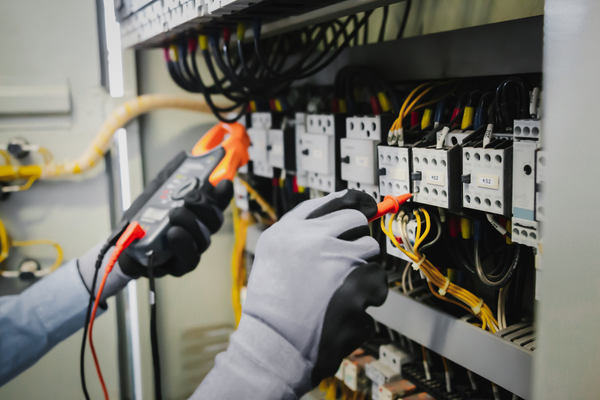
In the rush to get a house on the market, especially in renovated properties, details get missed. One of the most common issues is the “lipstick on a pig” approach to outlets.
The Issue Investors often swap out the old, yellowed outlet covers for bright white new ones. It looks fresh and clean. But underneath, they leave the old, worn-out receptacles from 1990. These devices have metal contacts inside that wear out over time.
The Test This is where your phone charger comes in handy. Plug it into various outlets around the room. Does the plug snap in securely? Or does it hang loose and sag? If it falls out with a gentle tug, the internal contacts are shot. This is the new home electrical cost that sellers try to avoid, but it creates a real hazard. Loose connections cause heat. Heat causes arcing. Arcing causes fires. A brand-new cover plate on a dangerous outlet is a trap.
3-Way Switches Check the switches at the top and bottom of the stairs. Flip the bottom one on. Walk up. Flip the top one off. The lights should go out. Often, amateur wiring results in a “traveler” wire being crossed. This means one switch kills power to the other, so you can only turn the light on if the other switch is in a specific position. It is maddening to live with and requires troubleshooting to fix.
Don’t Forget the Exterior
Charlotte weather can be wild. We get intense summer thunderstorms and heavy soaking rains. Your home’s exterior electrical system needs to be ready for it.
Weatherproof Covers
Walk around the perimeter of the house. Look at the outdoor outlets. They should have “in-use” covers, often called bubble covers. These allow you to have a cord plugged in (like for string lights or a leaf blower) while the cover remains shut and sealed. If the outlet just has a little metal flap, that is old technology. Rain can get in, causing the GFCI to trip and cutting power to your outdoor freezer or garage lights.
AC Disconnect
Find the outdoor air conditioning unit. There should be a small grey box mounted on the wall nearby. This is the emergency disconnect. Give it a gentle wiggle. Is it mounted securely to the siding or brick? Landscapers often bump these with mowers, or the installation adhesive fails. If it is hanging by the wires, it is a safety risk. It exposes live wires to the elements and puts stress on the connections.
Understanding these external factors helps you understand the true value of the new home electrical cost regarding maintenance. Quality exterior work protects the inside of your home from surges and outages.
Conclusion
The final walkthrough is your last chance to ensure you are getting what you paid for. It is easy to get distracted by the excitement of a key day. But taking thirty minutes to check these 15 items can save you thousands of dollars and endless headaches down the road.
If you find one or two small issues, like a loose bulb or a chirping smoke detector, put them on the punch list. Builders are usually happy to fix minor things. But if you find loose outlets throughout the house, a buzzing panel, or missing GFCIs in wet areas, pause the closing. These are not just quirks; they are safety hazards.
You do not have to handle this alone. With over 20 years of experience serving the Charlotte area, Tried & True Electrical Services Inc. has seen it all. From new construction in Ballantyne to historic renovations in Plaza Midwood, we know what to look for.
Don’t sign on the dotted line until you are sure your investment is safe. If your walkthrough raises red flags, call Tried & True Electrical Services Inc. for a professional buyer’s electrical inspection. We can provide a detailed assessment of the new home electrical wiring and give you the peace of mind you deserve.
Trust the experts at Tried & True Electrical Services Inc. to help you start your new chapter safely. Whether you need a new home electrical panel assessment or a simple lighting installation to brighten up your new patio, we are here to help. Tried & True Electrical Services Inc. is your neighbor in electrical safety.