
Lighting Up Charlotte Safely
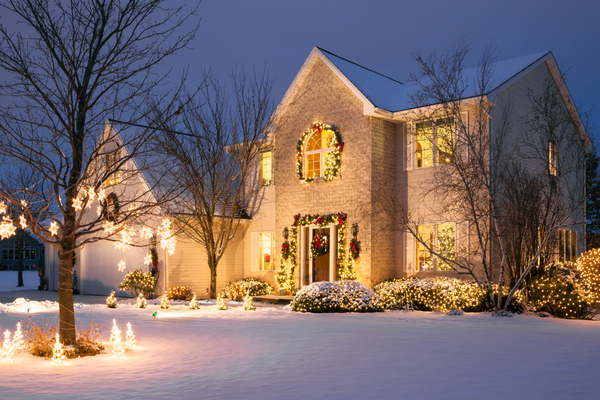
The arrival of the holiday season brings a wonderful magic, especially when a home is covered in a brilliant display of holiday lighting. However, behind all that festive glow sometimes hides the real dangers of electrical problems, like tripped circuit breakers and the serious risk of fire hazards. This yearly tradition of decorating can quickly become a serious headache if the wiring is not handled correctly.
Across the beautiful city of Charlotte, improper wiring and circuit overloading are some of the most common risks homeowners face when putting up their displays. These risks are especially true for older, historic homes in Mecklenburg County that might have original wiring. Modern developments, too, see problems when residents forget how much power their new, massive displays draw. It is important to remember that safety comes first. The proper installation of residential holiday lighting is more than just hanging lights; it is about protecting the home and family.
This article provides a professional guide to the essential wiring practices that homeowners should know. Following these guidelines helps you get a dazzling display without making your home’s electrical system unsafe. This expert information comes from the professionals at Tried & True Electrical Services Inc., a company focused on electrical safety for Charlotte families. We offer simple advice to avoid damaging your home, because every homeowner should feel confident in their holiday lighting installation. Protecting the unique charm of historic homes and the advanced systems of new electrical structures in Mecklenburg County is a serious priority. When you need help beyond simple tips, remember that trustworthy electrical solutions are available for everyone.
The “Before You Plug In” Checklist
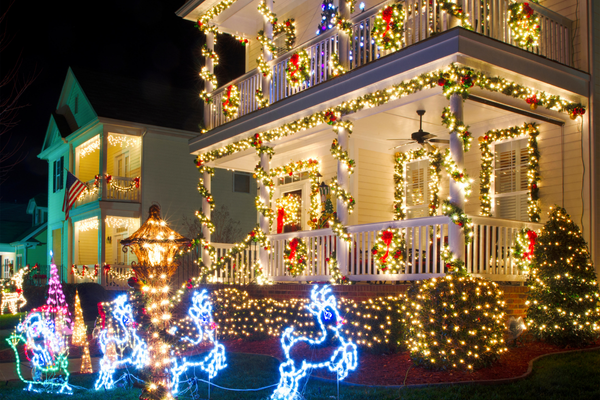
It is a common sight in Charlotte, NC: a homeowner excitedly bringing out bins of lights, eager to start decorating. But before even one bulb is hung, there is a list of important steps that must be taken. This foundational check is what a true expert would do, and it answers the very important question: “What must a person do before installing holiday lighting?” This experience makes a big difference in the final, safe result.
Inspecting Existing Wiring & Outlets
Every successful holiday lighting installation begins with a careful check of the power source. The homeowner must confirm that all outdoor GFCI (Ground Fault Circuit Interrupter) outlets are working just right. The GFCI is a lifesaver; it shuts off the power instantly if it senses water or a fault, stopping a major electric shock. To test it, press the “Test” button and then the “Reset” button. If it does not trip and reset, the outlet is not safe and needs fixing by a professional.
Look closely at the strings of lights themselves. Every year, people make a mistake by using old sets. These lights have frayed wires, cracked sockets, or loose connections. These issues are severe hazards. Discard any of these damaged strings immediately. It is simply not worth the fire risk to try and fix old, cheap lights. A critical recommendation is to always look for the UL (Underwriters Laboratories) label on all lights, cords, and decorations. This label confirms that the product meets important safety standards. Tried & True Electrical Services Inc. advises that only UL-listed products should ever be used for your display. This simple step protects your home and family.
Understanding Light Types and Compatibility
When planning for professional holiday lighting, the type of bulb chosen matters greatly. There are two main types of bulbs to think about: LED and Incandescent. This is a topic that is highly searched for by homeowners.
Incandescent lights are the older kind. These lights use a lot of power, which means they have low energy efficiency. They also create high heat, meaning the bulbs get hot fast. Because of this heat, Incandescent lights have a higher risk of melting materials or starting a fire.
LED lights are the new and better choice. They have high energy efficiency because they use much less power. They also have very low heat output, which means they stay cool to the touch. This makes LED lights overwhelmingly safer due to minimal heat and lower wattage.
LEDs are overwhelmingly safer due to minimal heat generation and much lower wattage. The lower power draw of LED lights means far less strain on your home’s electrical circuits. This is a core reason why LED is the choice for safe residential holiday lighting. A very important tip is never to mix LED and incandescent strands on the same circuit or connecting chain. The small differences in how these bulbs handle electricity can cause issues in the whole string, leading to problems that cause shorts or breaker trips.
Avoiding Circuit Overload
Many residents of Charlotte, NC, aim for a grand display. But how much is too much? The most common error in holiday lighting installation is putting too many lights on one circuit. This practice leads to overheating, which is the main cause of electrical fires. This section answers the common question: “How many lights can a person safely string together?” The power management skill separates the amateur from the professional.
The 80% Rule and Wattage Calculation
A homeowner must understand the 80% Rule. This rule is the golden standard for electrical safety and is a prime target for a featured snippet. The basic idea is that a circuit should never run at its full capacity for a long time.
The 80% Rule in Simple Terms: Never load a standard 15-amp circuit beyond 12 amps (which is about 1,440 watts). This rule leaves a safety cushion that stops the breaker from tripping and, most importantly, keeps the wiring from getting too hot.
For homeowners, determining their total amperage draw requires a simple, step-by-step calculation:
- Find the Wattage: Look for the wattage of each light string or decoration (it is printed on the light tag).
- Add it Up: Sum the wattage of all lights and devices that are plugged into the same outlet.
- Use the Formula: Divide the total wattage by the voltage.
Total Wattage Voltage (usually 120V) = Amperage Draw - Compare: Is your final Amperage Draw number 12 amps or lower? If it is higher, you must move some lights to a different circuit.
This is a critical, professional step. It shows that Tried & True Electrical Services Inc. has over years of experience in preventing these problems for its customers.
Daisy-Chaining vs. Dedicated Extensions
The way lights are connected is just as important as the power calculation. “Daisy-chaining” is connecting one string directly to the end of another. For standard, older incandescent strings, the limit for daisy-chaining is typically no more than three strings end-to-end because of the high power draw. If you try to string more, the very first plug and wire on the chain will overheat and could cause a fire.
With modern, low-wattage LED lights, the limits are much higher—sometimes virtually unlimited, depending on the wire gauge and manufacturer specifications. Always follow the instructions from the light manufacturer.
For all connections that are not factory daisy-chains, use only high-quality extension cords. These must be outdoor-rated, grounded (3-prong), and heavy-duty. Look for a minimum of 16-gauge wire, or a 14-gauge cord for very long runs. Cheap, thin extension cords get hot easily, which is a major fire concern. This high standard is part of what makes our professional holiday lighting advice so valuable. If you need a trustworthy professional to inspect your setup, reach out to a certified electrician today.
Professional-Grade Weatherproofing and Connections
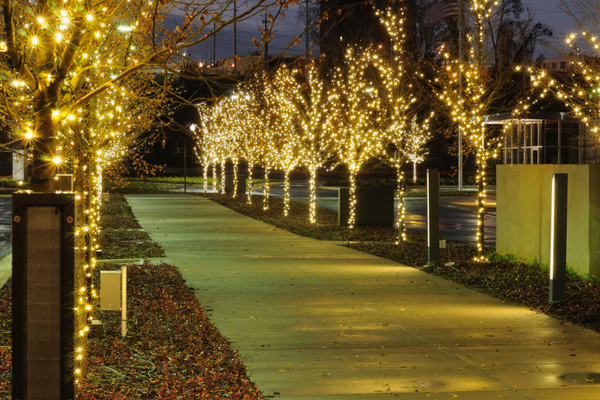
The weather in Charlotte, NC, can change very fast, from freezing rain to high humidity. Electricity and water are dangerous together. Therefore, every single connection point must be treated as a major weak spot. Tried & True Electrical Services Inc. recognizes that proper weatherproofing is key to durability and safety. This attention to physical wiring techniques shows true expertise.
Sealing Connections for Charlotte’s Climate
Protecting connections from moisture is not just about keeping the lights working; it is about stopping a ground fault or short circuit. A simple tip is to use specialized, water-resistant electrical tape. However, the true pro technique involves better methods. It is far better to use dielectric grease and weather-resistant connection covers (often called “waterproof boxes” or “cord covers”). These items fully enclose the male/female plug connections, stopping rain, snow, and condensation from ever touching the electrical points.
A highly effective pro technique is to keep all plug connections elevated off the ground and oriented downward. Gravity will help moisture drain away, instead of letting it pool inside the connection point. This simple trick adds a significant layer of safety to your holiday lighting installation.
Securing Cords and Avoiding Pinch Points
Improperly secured cords are a trip hazard, and they invite damage. For securing lights and power cords, always use insulated clips or plastic ties. Never use metal staples, thumb tacks, or nails. Even a tiny puncture in the cord’s insulation can expose live wires, causing a shock hazard or short circuit. This is a common and avoidable mistake homeowners make every season.
Homeowners should make sure to avoid running wires where they can be damaged. Never place cords under rugs, through doorways, or around the edges of windows where they can be pinched, crushed, or damaged by foot traffic. Crushing a cord can break the wires inside, creating resistance and heat. If you are preparing for commercial holiday lighting installation, these rules become even more vital due to the public nature of the display.
Controlling the Display Timers and Power Cycling
After setting up a spectacular professional holiday lighting display, many Charlotte homeowners want to make it easy to manage. Automating the lights saves energy and stops lights from running all night. This section provides advice that answers the question: “How can I automate my lights safely?”
Choosing the Right Timer
The choice of timer is crucial. Only use timers that are rated for outdoor use. These timers come in mechanical or digital styles. A mechanical timer is reliable, but a digital one often offers more flexibility. The single most important thing is to check the timer’s maximum load rating, given in watts or amps. This rating must be able to handle the full, calculated load of all the lights connected to it. If the timer is overloaded, it can overheat and fail. This simple precaution keeps your beautiful residential holiday lighting display safe.
Surge Protection and Disconnects
Dedicated surge protectors are not as common for outdoor lights as they are for indoor electronics. This is because the GFCI circuit itself provides the essential protection needed outdoors. The GFI circuit is designed to stop a shock, and it does a great job of protecting against ground faults. However, large power surges from lightning or utility issues can still cause problems. If you want added protection for a very expensive or complex display, consider a dedicated outdoor electrical box with built-in surge protection.
The safest habit for any homeowner is the simplest: always disconnect power at the main outdoor GFCI outlet or, if needed, at the breaker before making any changes, replacements, or adjustments to the light display. This step removes all danger from the cords and lights. The experts at Tried & True Electrical Services Inc. recommend making this power disconnect a firm rule. Need a commercial electrician in Charlotte to handle large-scale holiday power? Find out more about our services here.
A Hazard-Free Holiday Season
The secret to safe, spectacular holiday lighting is not magic; it is simple, expert planning. We have covered the core principles that every Charlotte, NC homeowner should follow: inspect all components, calculate power loads accurately, and weatherproof all outdoor connections. These three steps create a foundation for a hazard-free holiday season.
By carefully following these professional wiring tips, Charlotte homeowners can Tried & True Electrical Services Inc. to ensure their light display is not only beautiful but also perfectly safe and compliant with the electrical professional holiday lighting best practices. The goal is to bring joy to the neighborhood without introducing risks to your home.
If the job is too large, too complex, or involves wiring into the main home power panel, it is always wise to call in a professional. Do not take chances with your family’s safety. Contact a licensed local electrician for a safe holiday lighting installation today.